
Simple, science-backed nutrition practices that transformed my health, energy, and relationship with food.
Key Takeaways
- Whole foods provide superior nutrition compared to processed alternatives
- Morning hydration jumpstarts metabolism and mental clarity
- Protein at breakfast stabilizes blood sugar and reduces cravings
- Mindful eating improves digestion and prevents overeating
- Cooking at home gives you complete control over ingredients
- Listening to your body’s hunger cues prevents unnecessary eating
After years of experimenting with different diets and nutrition approaches, I’ve distilled the practices that created the most significant, lasting impact. These aren’t trendy hacks—they’re evidence-based habits that support long-term health.
1. Eat Whole Foods First
Prioritize foods in their natural state: vegetables, fruits, legumes, whole grains, nuts, seeds. These foods provide fiber, vitamins, minerals, and phytonutrients that processed foods lack. When 80-90% of your diet comes from whole foods, occasional processed treats won’t derail your health.
2. Drink Water Upon Waking
Your body dehydrates overnight. Drinking 16-24 ounces of water first thing rehydrates cells, jumpstarts metabolism, aids digestion, and improves mental clarity. Do this before coffee or breakfast.
3. Prioritize Protein at Breakfast
Protein stabilizes blood sugar, reduces cravings, and keeps you full longer. Aim for 20-30 grams at breakfast through foods like eggs, Greek yogurt, tofu, lentils, or protein smoothies. This single habit transformed my energy levels and focus.
4. Practice Mindful Eating
Eat without screens, chew thoroughly, and pay attention to flavors and textures. Mindful eating improves digestion, prevents overeating, and increases satisfaction. It takes 20 minutes for your brain to register fullness—slow down.
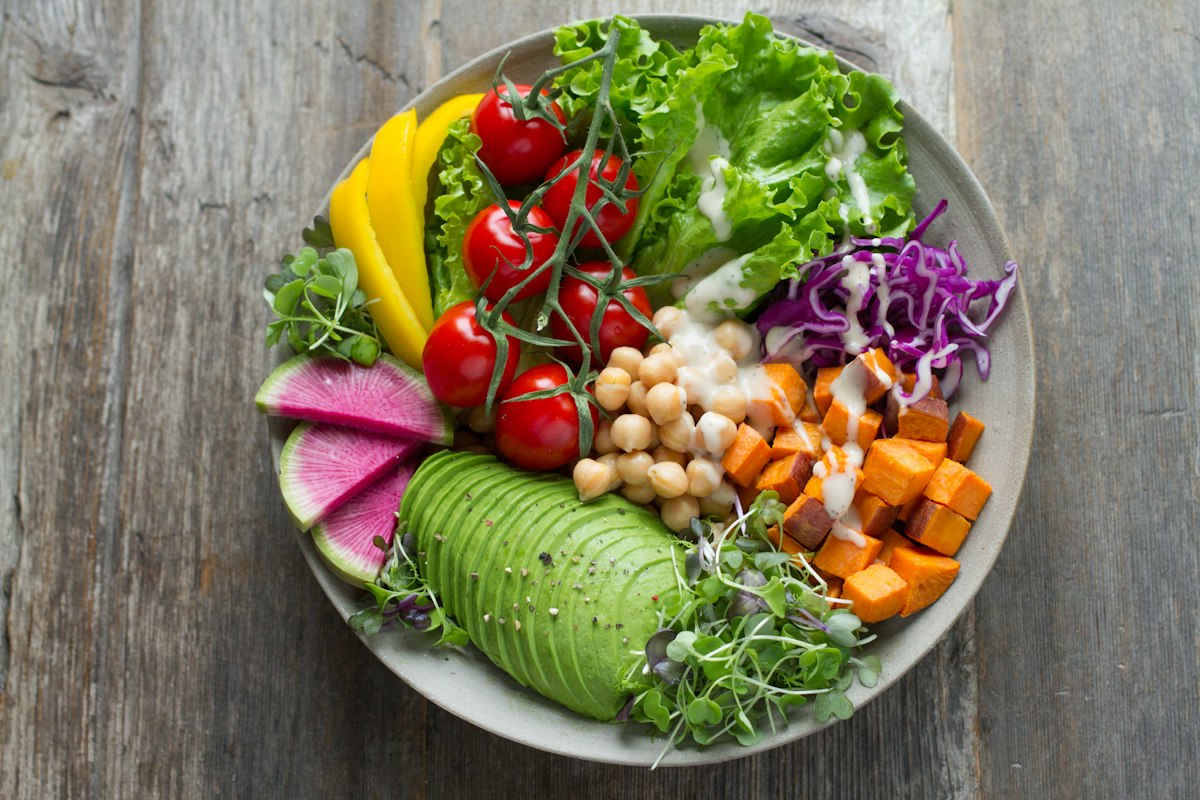
5. Load Up on Vegetables
Vegetables are nutrient powerhouses. Aim to fill half your plate with colorful vegetables at lunch and dinner. They provide fiber, antioxidants, and volume with minimal calories. Experiment with different preparation methods to find what you enjoy.
6. Cook at Home Most Days
Restaurant and takeout meals typically contain more salt, sugar, and unhealthy fats. Cooking at home gives you complete control. It doesn’t need to be complex—simple meals with quality ingredients are powerful.
7. Limit Highly Processed Foods
Processed foods are engineered to be hyper-palatable, making it easy to overeat. They also lack the nutrients your body needs. Read ingredient lists—if you can’t pronounce most ingredients, reconsider the food.
8. Eat Seasonally and Locally When Possible
Seasonal produce is fresher, more nutritious, and more affordable. Shopping at farmers markets connects you to your food sources and supports local agriculture. Eating with the seasons also adds natural variety to your diet.
9. Stay Consistently Hydrated
Drink water throughout the day, not just when thirsty. Dehydration mimics hunger and causes fatigue. Aim for at least eight 8-ounce glasses daily, more if you’re active or in hot climates. Keep a reusable water bottle with you.
10. Listen to Your Body’s Hunger Cues
Eat when you’re hungry, stop when you’re satisfied (not stuffed). This requires tuning into your body’s signals rather than external cues like meal times or portion sizes. It takes practice but restores your natural relationship with food.
How to Implement These Habits
Don’t try to adopt all ten habits simultaneously. Choose one, practice it daily for 2-3 months until it becomes automatic, then add another. This gradual approach ensures lasting change rather than short-term enthusiasm followed by burnout.
These habits transformed my health, energy, and relationship with food. They can do the same for you. Start today with just one.